Newsletter
Subscribe to our newsletter and receive the newest and best locations directly in your inbox!

Spanish Filming Permits Explained
Spain is a place to film, but permits are the part of the production process that can quickly turn from “easy” to “wait, who approves this?” A sunlit street in Barcelona, a mountain road in Catalonia, a beach, a market, a rooftop or a quiet village square may look simple on a reference deck. In practice, every location has someone responsible for it.
Spanish filming permits are not impossible. They depend on where you are filming, what you are doing, how much space you need, and how visible the shoot will be. A small interior interview is very different from a car commercial, a drone shot, a night shoot, a market scene or a road sequence with traffic control.
For international producers, the key point is this: Spain does not have one single permit system. Permissions may involve a town hall, film commission, private owner, road authority, port authority, park authority, police department, heritage body or environmental office. The right route depends on the exact location.
Public Space Is Not Automatically Available
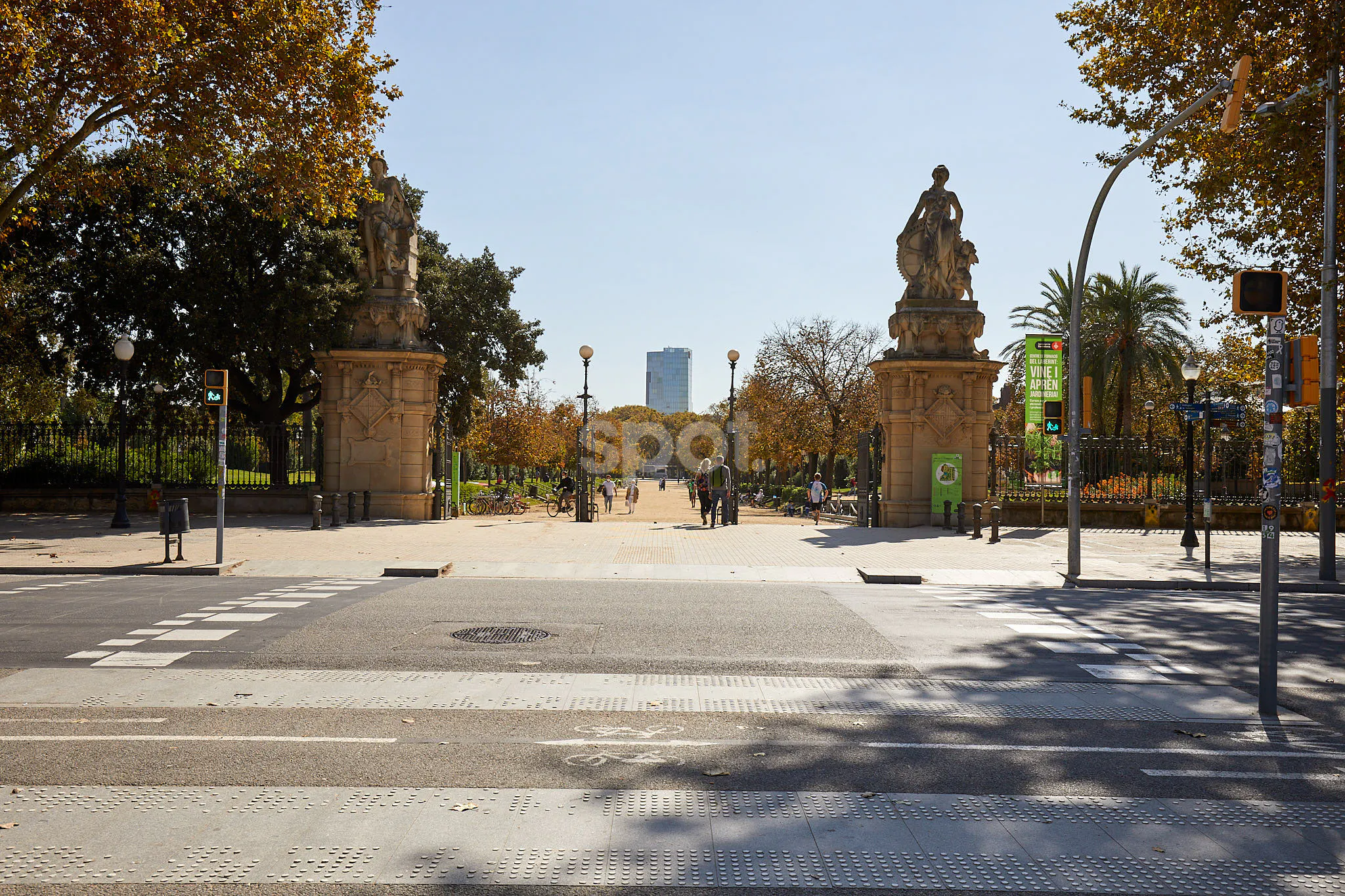
A common mistake is assuming that public space is free to use because it is public. In Spain, streets, squares, beaches, parks, markets and public buildings may require authorisation, especially when the production uses professional equipment or affects normal public use.
Tripods, lighting, camera setups, vehicles, models, crew, props, signage, generators or even a small branded shoot can change how a space functions. Once the production occupies space, blocks movement or attracts attention, permission may be needed.
For advertising productions, fashion shoots, branded content and audiovisual projects, this should be checked early. A location that looks relaxed during scouting can become complicated if the shoot affects pedestrians, neighbours, traffic, shops or access points.
Private Locations Still Need Proper Agreements
Private locations are usually more direct, but they still need clear written permission.
A villa, apartment, office, restaurant, hotel, warehouse or industrial space may not require a municipal permit if the production stays entirely inside private property and does not affect public areas. But the owner or legal representative must authorise the shoot.
A good agreement should define the date, working hours, areas included, crew size, use of electricity, furniture, parking, access, insurance, cleaning, overtime and any restrictions.
The real question is not only “Can we film here?” It is “What exactly are we allowed to do here?”
If the crew uses common areas, unloads from the street, places equipment outside or needs building access for several hours, extra coordination may be needed.
Roads, Cars and Moving Shots Need More Control
Road filming is where permits become more sensitive.
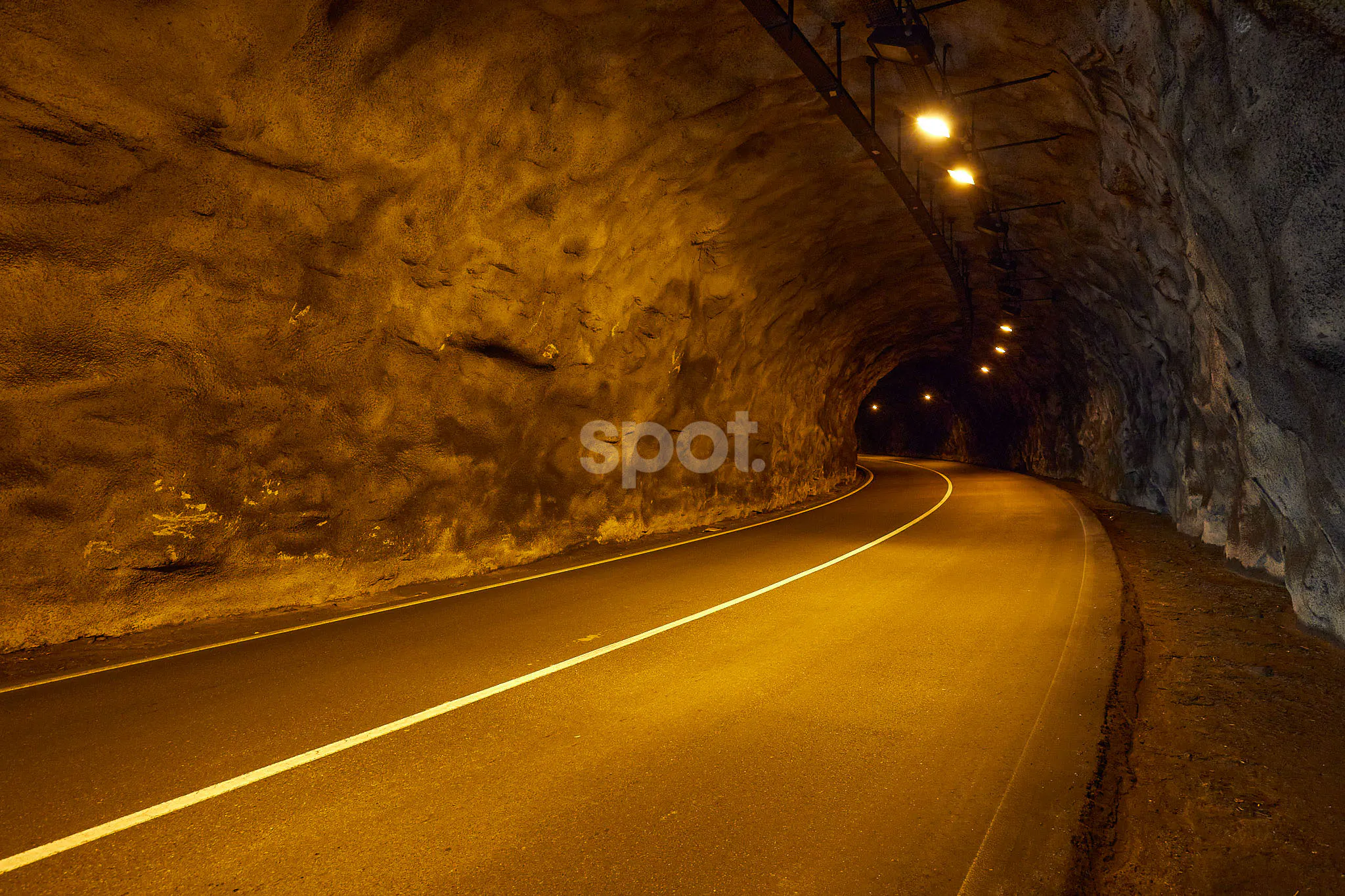
Car commercials, camera cars, tracking shots, moving vehicles, road closures and traffic control usually require more than a standard location agreement. The production must consider who manages the road, whether temporary control is possible, how traffic will be affected and what safety measures are required.
In Catalonia, Madrid, Andalusia or other regions of Spain, the process may vary depending on the road type and local authority. This is why automotive productions should never leave permits until the end of scouting.
A beautiful road is not enough. It must also be safe, legal and workable for the crew.
Drones, Parks, Ports and Heritage Sites
Some locations come with extra layers of regulation.
Drone filming may require aviation compliance as well as location permission. Parks and natural areas may involve environmental rules. Ports, stations, beaches, monuments and heritage buildings may each have their own procedures.
This is where productions often lose time. The question should not be “Do we need a permit?” but “Who controls this space, and what exactly are we asking to do?”
A five-person photo shoot, a commercial with lighting, a drone sequence and a car scene are completely different requests, even if they happen in the same place.
Timing Is Part of the Permit Strategy
Permits are not paperwork to handle at the last minute. They are part of production planning.
Simple requests may move quickly, but roads, drones, parks, traffic control, public-space occupation, night shoots or complex setups usually need more time. If the permit timeline does not match the shoot date, the creative idea may need to change.
This is why permit thinking should start during location scouting, not after the final location has been chosen.
What Producers Should Check Before Confirming a Location
Before confirming a filming location in Spain, producers should ask:
Who owns or manages the space? Is it public, private or mixed? Will the crew occupy public land? Are vehicles, drones, lighting, generators or road control involved? Could the shoot affect neighbours, traffic, pedestrians, businesses or common areas? Are there limits on working hours, access, sound, parking or signage?
These questions protect the schedule, the budget and the shoot day.
A Location Agency Approach to Spanish Filming Permits
The best filming locations in Spain are not only visually strong. They are legally workable and logistically realistic.
At Spot Locations, we look at permits as part of the wider location scouting and production logistics process. Our role as a location agency is to help production teams find filming locations in Barcelona, Catalonia and across Spain that fit the creative brief while also working in real conditions: access, timing, permissions, technical requirements and production flow.
Ready to start your next production?
- Explore our location page to browse our location archive.
- Stay updated on the latest production updates and industry news on our blog.
- Contact us at Spot Locations to discuss your 2026 project with a professional location scout or to request a custom reference deck.
Spot Locations: The leading location agency for seamless audiovisual productions in Spain and Barcelona.
This website uses its own cookies and third-party cookies for strictly functional purposes, allowing navigation on the website, as well as for analytical purposes, based on a profile prepared from your browsing habits (e.g. pages visited), to optimize the web and to be able to assess the opinions of the products acquired by the users.